
Five Players Who Could Become Breakout Stars of FIFA World Cup 2026
The ultimate validation for these five potential breakout stars will unfold when they face the brutal physical realities...
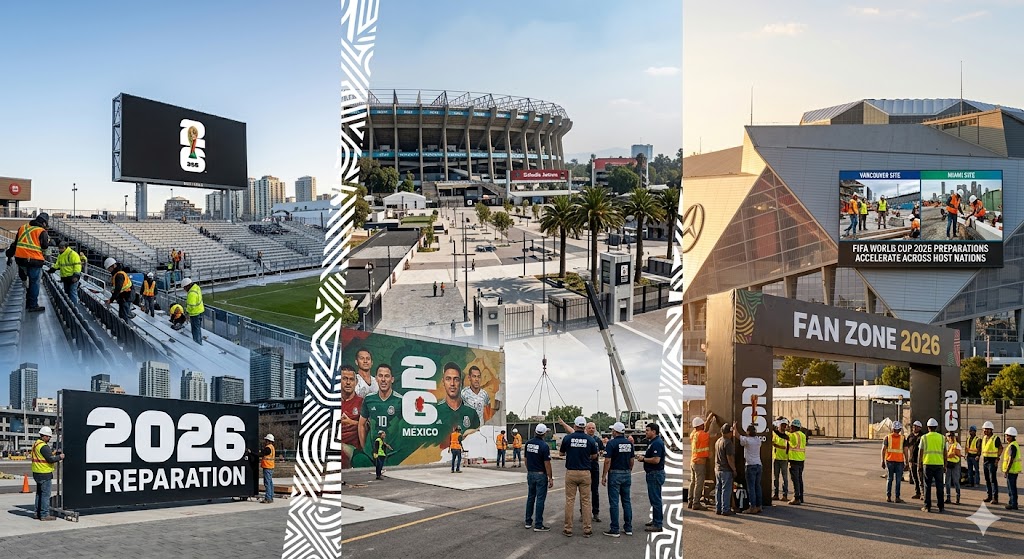
The countdown is officially on as North America readies itself to host the most massive sporting event in human history. With the tournament expanding to an unprecedented 48 teams across 104 matches, the logistical engines of the United States, Mexico, and Canada are running at absolute maximum capacity. Stadiums originally designed for standard gridiron and domestic soccer environments are rapidly being transformed to meet strict international specifications. From the opening whistle at the iconic Estadio Azteca on June 11 to the grand finale at MetLife Stadium in July, host cities are locking in infrastructure to handle millions of incoming fans.
The latest sports news tracking this massive operation has confirmed that FIFA has finalized its expansive Team Base Camp training sites, distributing the 48 qualified nations across the continent. While tournament favorites like Thomas Tuchel’s England squad are flying into Florida to finalize their tactics, heavy digital infrastructure is being laid out to support a global audience expected to touch half the planet. Fans who cannot make the trip are already scouring Totalsportek and tuning into their favorite Fifa World Cup Streams to keep tabs on pre-tournament international friendlies, where co-hosts Mexico recently downed Ghana 2-0 and Morocco dismantled Namibia. This immense media appetency has prompted networks to establish temporary high-speed broadcast hubs inside all 16 host venues.
One of the most complex operational hurdles currently facing stadium operators involves the actual playing surfaces. Because FIFA World Cup Streams strictly mandates natural grass, nine of the sixteen multi-purpose stadiums that traditionally feature synthetic turf have been forced to execute massive turf-laying overhauls. Venues are opting for specialized blends of Kentucky bluegrass, ryegrass, and Bermuda grass, requiring meticulous irrigation and drainage restructuring to survive the summer heat. In cooler northerly climates like Vancouver and Seattle, engineers are modifying retractable roofs and pitch ventilation systems, while indoor facilities in Dallas and Houston are testing climate-control limits to keep playing conditions pristine.
Unlike prior tournaments where individual nations held unilateral operational control, the 2026 iteration operates under an innovative joint venture managed directly by FIFA in coordination with local municipal services. This unified front is currently fine-tuning cybersecurity frameworks and transit lines to shield regional power grids, transport systems, and airport hubs from potential digital or physical disruptions. With ticket allocations reaching record highs and strict regional transit regulations banning standard parking at main venues, local committees are implementing heavy high-speed commuter train schedules to prevent catastrophic urban gridlock. The upcoming weeks represent the absolute final testing phase before the world descends on North America for a month of pure footballing drama.
The ultimate validation for these five potential breakout stars will unfold when they face the brutal physical realities...

In other World Cup news, Group A is already shaping up to be a competitive race, as South Korea matched Mexico's flying ...

The momentum behind digital sports consumption has culminated in historic viewership milestones....

The entertainment lineup for these staggered ceremonies represents a spectacular convergence of global chart-toppers and...

Concurrently, tournament organizers have reinforced strict new regulations for host venues, including an immediate zero-...