
Five Players Who Could Become Breakout Stars of FIFA World Cup 2026
The ultimate validation for these five potential breakout stars will unfold when they face the brutal physical realities...
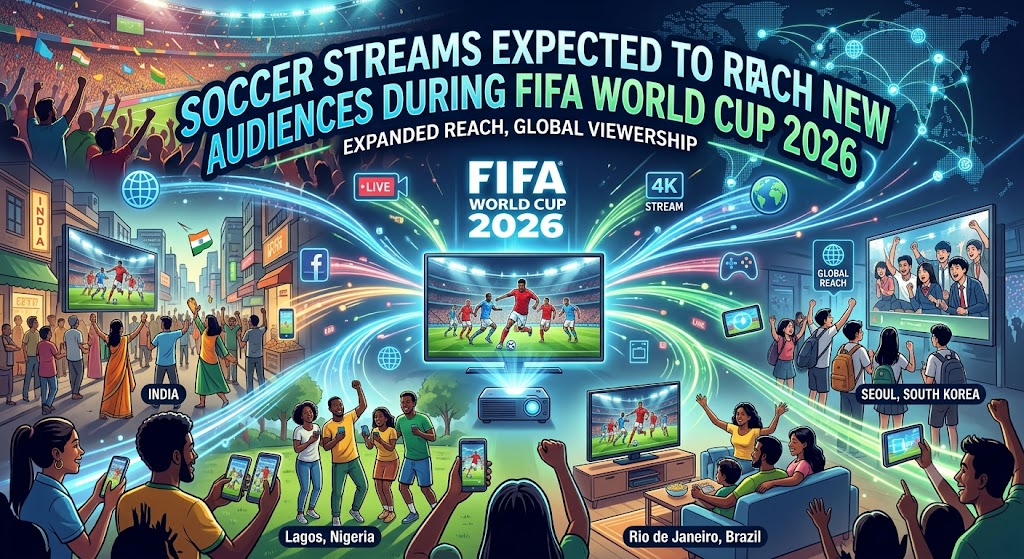
The countdown to football's ultimate spectacle has officially entered its final stretch, and the global sports community is bracing for an unprecedented digital surge. The FIFA World Cup 2026, co-hosted by the United States, Canada, and Mexico, is structurally designed to expand the game's boundaries like never before, scaling up to an expanded format featuring 48 nations and 104 matches. This massive layout expansion guarantees a relentless onslaught of marquee matchups, directly pushing broadcasting networks and online hubs to adapt to a new era of viewer consumption. The latest sports news across international markets highlights a frantic scramble to stabilize tech frameworks as major corporations lock down multi-million dollar distribution contracts. Industry experts predict that standard television viewership will see a massive secondary shift toward online platforms, as shifting generational habits and varying global time zones force fans to consume live tournament action on their handheld devices rather than traditional living room screens.
With matches spread across multiple North American time zones, international audiences face the unique challenge of waking up at odd hours or tracking high-stakes group fixtures while on the move or at the office. This operational reality is heavily influencing media companies to prioritize mobile-first accessibility, making alternative streaming options more crucial than ever for casual fans and die-hard supporters alike. As premium subscription barriers and geo-restricted rights packages fragment the traditional viewing market, third-party indexing sites such as Totalsportek are expected to see a dramatic spike in traffic from users looking to bypass accessibility bottlenecks. This anticipated migration toward open-web platforms highlights a wider tension in sports media, where the demand for seamless global access frequently collides with regional paywalls and highly exclusive licensing packages. Major tech platforms are responding to this trend by introducing localized, interactive digital environments to ensure that fans do not have to look outside official ecosystems to experience the drama of the group stages.
The sheer density of concurrent matches during the closing rounds of the group stage creates an operational puzzle that traditional cable channels are simply not built to solve. To handle this multi-match format, rights holders are rolling out dedicated digital ecosystems that feature advanced multi-view screens, instant tactical overlays, and selectable localized commentary feeds. Ensuring a flawless, lag-free Fifa World Cup Stream has become the paramount objective for engineering teams who are well aware that even a minor five-second broadcast delay can ruin a critical goal reveal for fans tracking live updates on social networks. This technological evolution transforms the stream from a passive mirror of a TV broadcast into an interactive, data-driven experience where viewers can switch camera angles, track real-time player running metrics, and review instant replies on a whim. The success of these advancements will likely dictate how major sporting properties package their digital rights for the next decade, setting a benchmark for immersion and reliability.
The global push for soccer accessibility achieved a historic breakthrough just this week following a series of tense, down-to-the-wire media negotiations in massive international territories. FIFA officially finalized a major multi-year broadcast and digital distribution agreement with Zee Entertainment, resolving a high-profile standoff and securing full tournament access for the Indian subcontinent via the Zee5 app and Unite8 Sports network. This eleventh-hour resolution is incredibly critical given that the vast majority of the North American match times will kick off well past midnight in South Asia, rendering traditional daytime television viewing almost entirely obsolete for millions of prospective fans. By placing the massive 104-match slate onto agile digital apps, broadcasters are effectively removing the geographic barriers that have historically limited the sport's cultural footprint in emerging markets. If these streaming networks manage to maintain high-fidelity streams under the pressure of concurrent peak traffic, the 2026 tournament will firmly establish itself as the most interconnected and highly viewed event in sports history.
The ultimate validation for these five potential breakout stars will unfold when they face the brutal physical realities...

In other World Cup news, Group A is already shaping up to be a competitive race, as South Korea matched Mexico's flying ...

The momentum behind digital sports consumption has culminated in historic viewership milestones....

The entertainment lineup for these staggered ceremonies represents a spectacular convergence of global chart-toppers and...

Concurrently, tournament organizers have reinforced strict new regulations for host venues, including an immediate zero-...